LVT Flooring: Types, Prices, Benefits and Installation Explained
A practical look at luxury vinyl tile flooring, including UK costs, popular designs, installation methods, cleaning tips and what to check before buying.

Introduction
LVT flooring has become a popular choice for modern homes. It looks like natural wood or stone. But it needs less everyday care.
You can find it in kitchens, bedrooms, hallways and living rooms. Many businesses use it too.
The choice is quite wide. Some floors have realistic oak patterns. Others look like marble, slate or concrete.
But appearance isn’t everything.
The type of LVT matters. So does the thickness, wear layer and fitting method.
This article explains how LVT flooring works, what it costs in the UK, and what buyers should know before choosing it.
What Is LVT Flooring?
LVT stands for Luxury Vinyl Tile.
It is a type of vinyl flooring made using several layers. These layers create a strong, decorative floor covering.
Most products have a printed design layer. That gives the floor its appearance. A transparent wear layer protects the design from normal foot traffic.
LVT usually comes in individual planks or tiles.
Wood-effect planks look similar to timber boards. Stone-effect tiles copy natural stone and ceramic designs.
The flooring is commonly made using PVC-based materials. Its construction depends on the product and manufacturer.
Unlike natural wood, LVT does not need sanding or traditional wood-floor refinishing.
That makes routine care fairly simple.
LVT Flooring Quick Facts
| Feature | Details |
|---|---|
| Full name | Luxury Vinyl Tile |
| Common abbreviation | LVT |
| Flooring category | Resilient vinyl flooring |
| Main material | Usually PVC-based |
| Available designs | Wood, stone, marble, concrete |
| Main installation types | Glue-down, click-lock, loose-lay |
| Common applications | Homes and commercial interiors |
| Water resistance | Generally high, depending on product and installation |
| Maintenance | Sweeping and suitable damp cleaning |
| Common wear layers | 0.3 mm, 0.55 mm, 0.7 mm and other specifications |
| UK material prices | Approximately £15–£60 per m² for many ranges |
| UK supplied-and-fitted estimate | Approximately £35–£90 per m² for many standard projects |
| Underfloor heating | Compatible with many approved systems |
| Outdoor suitability | Most standard LVT is intended for indoor use |
Prices are indicative UK estimates for 2026. Product costs, labour and floor preparation vary.
How Does LVT Flooring Work?
LVT flooring uses several layers.
Each has a different job.
The top coating helps protect the surface. Underneath sits a transparent wear layer.
Next comes the printed design. This creates the wood or stone appearance.
The main body provides structure. A backing layer supports the product.
Some rigid-core floors include an acoustic backing. This can help reduce impact noise.
The construction affects how the floor feels. It also affects installation, strength and movement.
That’s why two similar-looking floors may perform differently.
Main Types of LVT Flooring
There are several options available.
The biggest difference is often installation.
1. Glue-Down LVT Flooring
Glue-down LVT uses adhesive to fix each plank or tile directly to the subfloor.
It creates a firmly bonded surface.
This method works well for detailed patterns. It is often used in homes and commercial spaces.
But the base must be prepared correctly.
An uneven surface can show through thin vinyl. Moisture can also affect some adhesives.
Professional installation is often a sensible choice.
2. Click LVT Flooring
Click LVT uses interlocking edges.
The planks connect without being glued across the whole floor.
This creates a floating installation.
Some click products have a rigid core. Others include built-in acoustic backing.
Installation can be quicker than glue-down fitting.
Still, the subfloor needs proper preparation. The floor also needs movement clearance where specified.
Poorly fitted joints can cause trouble later.
3. Loose-Lay LVT Flooring
Loose-lay LVT uses specially designed backing materials.
These help the tiles grip the subfloor.
Some installations need adhesive around selected areas. Others require a different fixing method.
The exact instructions depend on the manufacturer.
Loose-lay flooring can make individual tile replacement easier in suitable installations.
4. SPC Flooring
SPC stands for Stone Plastic Composite.
It uses a rigid core containing mineral filler and polymer materials.
The core is dense and firm.
SPC flooring is commonly available with click-lock installation.
It can be a practical choice for busy rooms. But it still needs a suitable base.
5. WPC Flooring
WPC commonly means Wood Plastic Composite in flooring terminology.
These products use a composite polymer core.
Some WPC floors feel less firm underfoot than dense SPC products.
They are often used in residential settings.
Remember, SPC and WPC describe core construction. Click-lock and glue-down describe installation methods.
They are not the same classification.
Advantages of LVT Flooring
Many homeowners choose LVT for practical reasons.
Easy everyday cleaning
Dust and ordinary dirt are simple to remove. Regular sweeping and damp cleaning are usually enough.
A wide choice of finishes
You can choose traditional oak designs, pale timber, grey stone, marble effects and many other styles.
Good water resistance
Many LVT products resist everyday splashes and spills.
That makes them useful in kitchens and conventional bathrooms, provided the installation is suitable.
Comfort underfoot
Vinyl flooring often feels less hard than ceramic tiles.
Some products also include acoustic backing.
Flexible design choices
LVT can be fitted in straight plank layouts, herringbone designs and decorative tile patterns.
Suitable for busy spaces
Many commercial-grade products are made for substantial foot traffic.
Still, always check the actual usage rating.
Disadvantages of LVT Flooring
LVT has some limitations too.
Scratches are possible.
Furniture, grit and sharp objects can mark the protective surface.
Subfloor preparation matters.
A poor base can lead to visible defects, loose planks or damaged joints.
Sunlight and heat need attention.
Strong sunlight and high temperatures may affect certain products or installation systems.
Repairs depend on the fitting method.
Replacing a glue-down plank can be fairly straightforward. A click-floor repair may involve removing several connected boards.
It is usually PVC-based.
That raises questions about plastic production, chemical additives and end-of-life disposal.
Premium products cost more.
Detailed patterns and specialist fitting can increase the final bill.
LVT is practical, but it isn’t damage-proof.
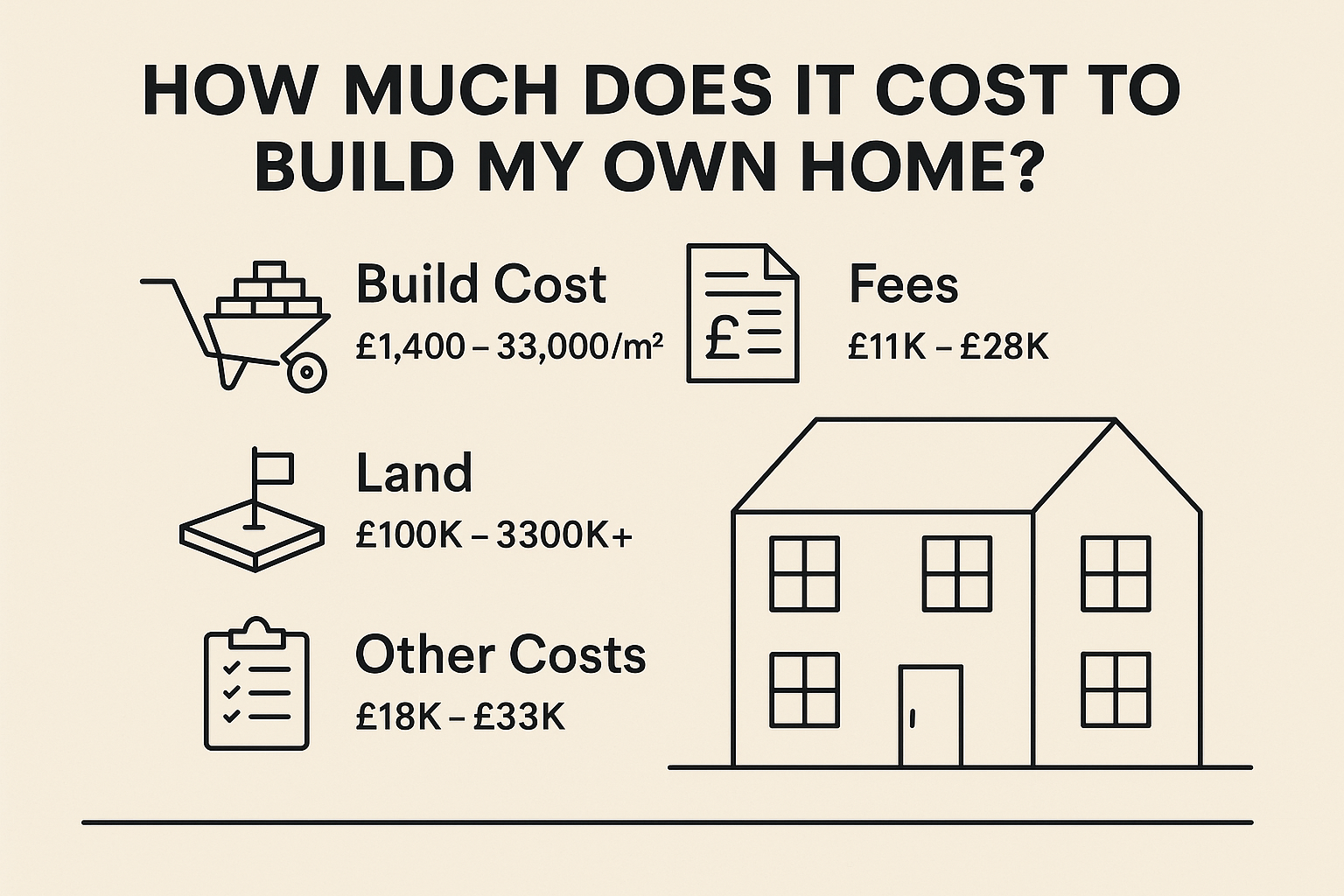
How Much Does LVT Flooring Cost in the UK?
Price is a big consideration.
And the final figure can change.
In 2026, published UK flooring price guides show that material quality, pattern and fitting work all affect the cost.
Here are indicative price ranges.
| Flooring or service | Approximate UK cost |
|---|---|
| Budget LVT materials | £15–£25 per m² |
| Mid-range LVT materials | £25–£40 per m² |
| Premium LVT materials | £40–£60+ per m² |
| Standard supplied and fitted LVT | £35–£90 per m² |
| Premium patterned installation | £95–£150+ per m² |
| Basic floor preparation | £2–£13 per m² in some price guides |
These are estimates, not fixed prices.
A small room may cost more per square metre. Complex shapes also need extra cutting.
For example, a 20 m² room at £35–£90 per m² would have an estimated supply-and-fit cost of £700–£1,800.
That calculation excludes unexpected preparation work and other extras.
Ask the installer for an itemised quotation.
Check whether it includes adhesive, floor smoothing, trims, old-floor removal and VAT.
LVT Flooring Thickness and Wear Layer
Thickness can affect flooring performance.
But thicker doesn’t always mean better.
There are two separate measurements.
Total thickness describes the entire plank or tile.
Wear-layer thickness measures the protective transparent layer above the printed design.
Some residential products use a 0.3 mm wear layer. Other ranges use 0.55 mm or 0.7 mm.
For example, Amtico lists 0.55 mm wear layers on its Spacia and Click Smart collections, while its Form collection has a 0.7 mm wear layer.
A thicker wear layer can help a floor withstand use, but the full product specification still matters.
Check the intended traffic level. Also look at indentation resistance, surface protection and warranty terms.
Is LVT Flooring Waterproof?
Many people ask this question.
The answer needs a little care.
The vinyl material itself can resist water very well.
But the complete floor is different.
Water may pass through some joints. It can reach the subfloor underneath.
Some adhesives can also be affected by prolonged water exposure.
This means a waterproof plank doesn’t automatically create a waterproof room.
For kitchens, ordinary spills are usually manageable with a suitable product.
Bathrooms need careful installation and edge detailing.
Wet rooms are a separate matter.
Some manufacturers, including Karndean, state that their standard LVT flooring is unsuitable for walk-in showers or wet rooms.
Always check the exact product instructions.
Where Can You Install LVT Flooring?
LVT Flooring for Kitchens
Kitchens deal with frequent spills.
They also have heavy foot traffic.
LVT can work well here because many products resist water and clean easily.
Choose a suitable wear layer. Check the installation requirements near appliances and fitted cabinets.
LVT Flooring for Bathrooms
Bathroom flooring needs moisture resistance.
Many LVT products are suitable for standard bathrooms.
But standing water and poor edge sealing can still cause problems.
Use a product approved for the room.
LVT Flooring for Living Rooms
Living rooms need comfort and appearance.
Wood-effect LVT is a popular option.
Oak and walnut finishes can give the room a timber-style look without the same maintenance requirements as natural wood.
Furniture pads can help prevent marks.
LVT Flooring for Bedrooms
LVT can create a clean, simple finish.
Some acoustic-backed products also help reduce impact sound.
For bedrooms, appearance and comfort may matter more than heavy commercial wear resistance.
LVT Flooring for Hallways
Hallways face repeated foot traffic.
Shoes also bring in grit.
Choose a suitable usage rating and keep entrance mats in place.
This helps limit scratches.
Popular LVT Flooring Designs
LVT gives buyers plenty of choice.
Some designs look traditional. Others suit contemporary interiors.
Wood-Effect LVT
Oak, walnut and rustic timber finishes are widely available.
Light oak can give smaller rooms a brighter appearance.
Dark wood patterns create a different feel.
Stone-Effect LVT
These designs copy slate, limestone, marble and other stone materials.
They are useful for kitchens and bathrooms where the selected product is approved.
Herringbone LVT Flooring
Herringbone uses short planks arranged in a repeating angular pattern.
It creates a decorative finish.
The fitting process usually needs extra planning and cutting.
That can raise installation costs.
Chevron LVT Flooring
Chevron planks meet to form continuous V-shaped lines.
The finished pattern looks different from traditional herringbone.
Grey and Concrete-Effect LVT
Grey wood and concrete finishes suit many simple interior designs.
But colour should match the room.
Lighting, wall finishes and furniture can change how the floor looks.
Try a physical sample before buying.
How Is LVT Flooring Installed?
Installation starts below the flooring.
That part matters most.
Check the Subfloor
The base must be sound.
Loose boards need attention. Cracks and uneven patches may need repair.
Concrete also requires moisture assessment.
Some glue-down manufacturers specify strict subfloor humidity limits.
Prepare the Surface
The installer may use approved smoothing compound, plywood or a moisture-control treatment.
The correct method depends on the existing base.
A smooth surface helps the finished floor look better.
Plan the Layout
Measure the room carefully.
Decide the plank direction before installation.
Herringbone and other patterned designs need extra planning.
Fit the Flooring
Glue-down tiles use approved adhesive.
Click planks connect through their locking joints.
Loose-lay products follow their own fixing instructions.
Each system is different.
Finish the Edges
Fit compatible trims and thresholds.
Leave expansion clearances where required.
Then check the flooring for visible gaps, lifting or damage.
One more point: don’t automatically add underlay beneath rigid click LVT. Some products already have attached backing, and an unsuitable extra layer can damage the locking joints.
LVT Flooring vs Laminate Flooring
Both materials can look similar.
Their construction is quite different.
Laminate flooring commonly uses a wood-fibre-based core.
LVT generally uses vinyl-based construction.
This gives many LVT products better resistance to everyday moisture.
Laminate can still be a suitable choice for dry living rooms and bedrooms.
But its performance depends on the specific product.
Consider water exposure, price and foot traffic before deciding.
LVT Flooring vs Real Wood
Real wood has a natural surface.
Every plank has its own grain.
LVT copies that appearance through a decorative design layer.
It usually needs less routine maintenance than natural timber.
Real wood may also be sanded and refinished, depending on its construction.
Most LVT cannot be restored that way.
For buyers wanting genuine timber, wood flooring remains a different choice.
For buyers wanting easier cleaning and good water resistance, LVT may be more practical.
How to Clean LVT Flooring
Cleaning is usually straightforward.
Start by removing loose dirt.
Use a soft broom or vacuum suitable for hard floors.
Next, clean using a damp mop and a manufacturer-approved solution.
Don’t leave pools of water.
Avoid abrasive brushes and unsuitable cleaning chemicals.
Steam cleaners should only be used if the flooring manufacturer permits them.
Furniture protection helps too.
Fit suitable pads beneath chair and table legs.
Clean entrance mats regularly. They can stop grit reaching the floor.
These small habits help keep the surface looking better.
Common LVT Flooring Problems
Even good flooring can develop problems.
The cause is not always obvious.
LVT Planks Lifting
Poor bonding, moisture or unsuitable installation conditions can cause lifting.
Check the cause before replacing or rebonding planks.
Gaps Between LVT Planks
Movement, locking-joint damage and installation errors may create gaps.
The repair depends on the floor construction.
Scratches on LVT Flooring
Grit and furniture movement are common causes.
Some minor marks may respond to approved surface treatments.
Deep damage can require plank replacement.
LVT Flooring Bubbling
Bubbling may indicate bonding problems or trapped moisture.
Have the affected area assessed before repair.
LVT Flooring Discolouration
Strong sunlight, high temperatures and contact with certain materials can change the surface appearance.
Some rubber-backed mats may also cause staining.
Check the flooring maker’s care advice.
Is LVT Flooring Safe for Homes?
Safety depends on the selected product.
For areas likely to become wet, slip resistance deserves attention.
The UK Health and Safety Executive recommends checking reliable slip-resistance test data rather than relying on appearance alone.
Indoor air quality matters too.
Some manufacturers provide independent testing for volatile organic compound emissions.
Ask for product-specific certificates when needed.
Also consider the age of the existing flooring.
Older vinyl tiles and adhesives can sometimes contain asbestos. Suspect materials should be assessed before disturbing them.
How Long Does LVT Flooring Last?
There is no single answer.
Service life depends on the product.
Installation quality makes a difference. So do traffic, cleaning and everyday wear.
Some premium flooring collections carry long residential warranties.
But a long warranty doesn’t mean the floor cannot scratch, stain or suffer installation damage.
Read the exclusions carefully.
Look at commercial-use restrictions too.
How to Choose Good LVT Flooring
Start with the room.
Think about how people use it.
A quiet bedroom has different needs from a busy kitchen or commercial hallway.
Check the wear layer and usage classification.
Then look at the installation method.
Glue-down flooring may suit detailed layouts. Click systems may work well for certain renovation projects.
Next, inspect the subfloor.
A beautiful product won’t fix a poor base.
Ask for a sample. Look at it in natural and artificial light.
Then compare the total installed cost.
Don’t judge the product by price alone.
Check the warranty, maintenance instructions and technical data before making a choice.
Final Thought
LVT flooring can be a practical option for many homes.
It offers convincing wood and stone designs. Cleaning is usually simple. Many products also handle everyday spills well.
But fitting quality matters.
A suitable product on a poorly prepared floor can still develop problems.
So check the specifications first. Look at the room conditions. Choose an installation method that fits the property.
A little care before buying can prevent expensive repairs later.
Frequently Asked Questions About LVT Flooring
1. What does LVT flooring stand for?
LVT means Luxury Vinyl Tile. It is a type of layered vinyl flooring made to resemble materials such as wood and stone.
2. Is LVT flooring better than laminate?
It depends on the room. LVT generally offers stronger resistance to everyday moisture. Laminate may suit dry rooms and different budgets.
3. Can you use LVT flooring in bathrooms?
Yes, many products work in standard bathrooms. But always check the manufacturer’s instructions. Most ordinary LVT is not intended for wet rooms.
4. Does LVT flooring need underlay?
Not always. Glue-down flooring normally uses adhesive. Many click products include attached backing or specify a particular underlay.
5. Can you install LVT over tiles?
Some products allow installation over suitable ceramic tiles. The existing surface must meet the manufacturer’s requirements for flatness, stability and preparation.
6. Can you use LVT flooring with underfloor heating?
Many LVT products are compatible. But temperature limits vary. Follow the exact flooring and heating-system instructions.
7. Does LVT flooring scratch easily?
It can scratch. Grit, furniture movement and sharp objects may damage the surface. A suitable wear layer and careful maintenance help.
8. How much does LVT flooring cost per square metre in the UK?
Many standard UK supply-and-fit projects are estimated at around £35–£90 per m² in 2026. Premium layouts and difficult subfloors may cost more.